The Convenience of Loyalty Programs Comes with a Price
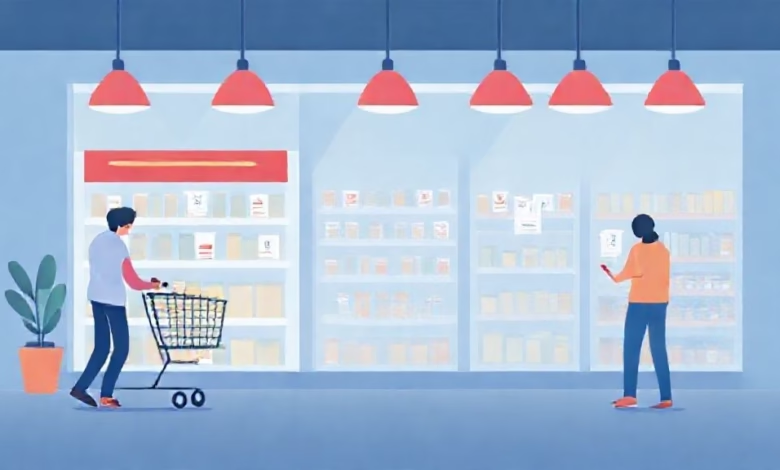
Store loyalty programs have become an essential part of most consumers’ shopping experiences. Signing up for these programs often seems like a no-brainer, offering rewards, discounts, and exclusive perks that make shopping more enjoyable. However, a growing concern is arising that consumers may be losing more than they’re gaining. Store loyalty programs are increasingly collecting and analyzing vast amounts of personal data, which is being used to tailor prices and promotions to individual shoppers.
This phenomenon is often referred to as ‘price segmentation.’ In simple terms, it means that the same product or service can cost differently for different people based on their shopping history, preferences, and demographics. While this approach can be beneficial for businesses, it can also lead to consumers paying more than they would have without the loyalty program.
The Data-Driven Pricing Strategy
Retailers are using advanced data analytics and machine learning algorithms to gather insights from loyalty program data. This information is then used to create personalized pricing strategies, which can result in higher costs for certain shoppers. For instance, a loyalty program might notice that a customer frequently buys high-end products, so it may increase the prices of those items or offer them at a lower loyalty discount.
Another concern is that loyalty programs may be sharing consumer data with third-party companies, which can use it for targeted advertising or other purposes. This raises questions about data privacy and the extent to which loyalty programs are complying with existing regulations.
The Impact on Consumers
Consumers who participate in loyalty programs may feel obligated to continue shopping at a specific store due to their membership. However, this sense of loyalty can come with a significant price tag. The more data that is collected, the more accurately retailers can target their marketing efforts, leading to increased prices and reduced rewards.
To make matters worse, consumers may not even be aware of the data being collected or how it’s being used. Without transparency and control over their data, consumers are essentially powerless to stop the price hikes.
Protecting Yourself from Price Hikes
While it may seem daunting, there are steps you can take to protect yourself from the potential price hikes associated with loyalty programs:
1. Read the fine print: Understand the terms and conditions of your loyalty program, including how your data is being collected and used.
2. Be mindful of data sharing: Check your loyalty program’s policies on data sharing and opt-out options.
3. Use cashback apps: Consider using cashback apps that offer rewards without collecting personal data.
4. Diversify your shopping: Spread your shopping across multiple retailers to avoid price segmentation.
5. Monitor your prices: Keep track of prices and compare them across different loyalty programs.
What to Watch Next
As the retail landscape continues to evolve, it’s essential to stay informed about the impact of loyalty programs on consumer data and pricing strategies. Keep an eye out for new developments and regulations that may affect your shopping habits.
Conclusion
Store loyalty programs can be a powerful tool for retailers, but they also come with significant risks for consumers. By understanding how loyalty programs work and taking steps to protect your personal data, you can avoid price hikes and make informed decisions about your shopping habits.