
Advancements in Energy Storage: How Lithium-Ion, Flow Batteries, and Supercapacitors Are Shaping the Global Transition to Green Energy

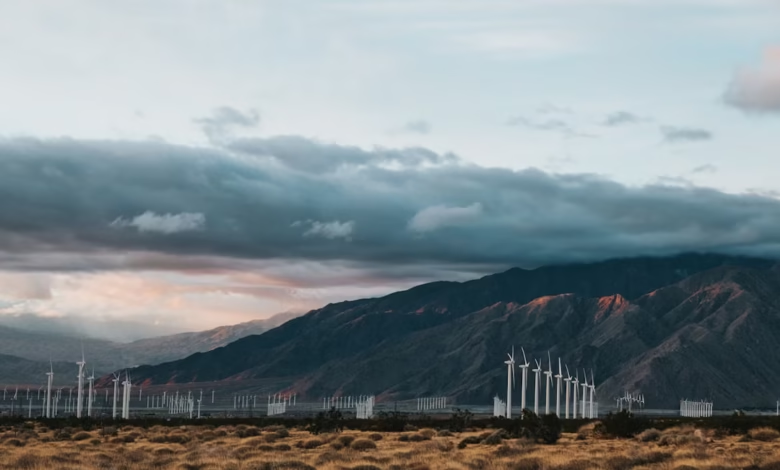
As the world intensifies its pursuit of sustainable energy, the need for innovative energy storage solutions has never been more urgent. With renewable energy sources like solar power and wind energy becoming central to global energy trends, effective storage technologies are now critical for reducing our reliance on fossil fuels and boosting energy efficiency across multiple sectors. Recent advancements in lithium-ion batteries, flow batteries, and supercapacitors are transforming the landscape of energy storage, informing energy policy, and enabling a smoother transition to green energy on a global scale.
These technologies are reshaping energy markets by ensuring energy security, stabilizing distributed energy systems, and facilitating the expansion of smart grids. With rising investments in energy R&D and mounting pressure to address climate change, governments and industries are prioritizing innovations that bridge the gap between intermittent renewable generation and reliable electricity supply. From powering the latest electric vehicles to supporting the integration of hydropower, bioenergy, and offshore energy solutions, advanced energy storage is truly redefining how we generate, store, and use energy.
In this article, we delve into the unique roles of lithium-ion batteries, flow batteries, and supercapacitors in driving energy transition strategies. We will explore how these technologies fuel renewable energy integration, impact energy economics, and promote resilient energy policy in a rapidly evolving global landscape.
- 1. Lithium-Ion Batteries: Driving Renewable Energy Integration and Electric Vehicles
- 2. Flow Batteries and Supercapacitors: Revolutionizing Grid Energy Storage and Smart Grids
- 3. The Impact of Advanced Energy Storage on Global Energy Trends, Energy Policy, and the Transition to Green Energy
1. Lithium-Ion Batteries: Driving Renewable Energy Integration and Electric Vehicles
Lithium-ion batteries have rapidly emerged as a cornerstone technology in the ongoing energy transition, playing an essential role in both renewable energy integration and the growth of electric vehicles. As the global energy market shifts away from fossil fuels and nuclear energy toward greener alternatives like solar power and wind energy, the need for efficient and scalable energy storage solutions has never been greater. Lithium-ion batteries help solve one of the most pressing challenges facing renewable energy: the intermittent nature of generation. By storing surplus electricity produced during periods of high output, these batteries allow solar and wind power to become more reliable contributors to smart grids and distributed energy systems.
Recent advancements in lithium-ion battery technology have significantly improved energy efficiency, energy density, and safety, making them a preferred option for both grid-scale and residential energy storage. These innovations have increased the attractiveness of energy investments in the sector, supporting the rapid expansion of electric vehicles worldwide. As transportation increasingly shifts toward green energy, battery-powered vehicles not only reduce dependence on fossil fuels but also help cut carbon emissions, supporting global efforts to combat climate change.
Lithium-ion batteries are also pivotal in enhancing energy security by enabling countries to diversify their energy imports and exports. On a practical level, widespread battery deployment allows for smarter management of electricity supply and demand, reducing the risk of blackouts and supporting the reliable integration of additional renewables. Furthermore, by facilitating more flexible energy markets and supporting real-time energy transportation, these batteries underpin modern approaches to energy policy and energy economics.
Continued research and development in lithium-ion battery materials and design are expected to yield even greater advances, such as faster charging times and longer life cycles. These energy innovations are key to unlocking the full potential of renewable resources like hydropower, bioenergy, and offshore energy, cementing lithium-ion batteries’ role as a central pillar in shaping future global energy trends.
References
BloombergNEF. (2023). Battery Pack Prices in 2023. https://about.bnef.com/blog/battery-pack-prices-fall-to-an-average-of-139-kwh-but-rise-in-china-amid-cost-increases/
International Energy Agency. (2023). Global EV Outlook 2023. https://www.iea.org/reports/global-ev-outlook-2023
U.S. Department of Energy. (2022). Grid Energy Storage. https://www.energy.gov/oe/activities/technology-development/grid-energy-storage
2. Flow Batteries and Supercapacitors: Revolutionizing Grid Energy Storage and Smart Grids
Flow batteries and supercapacitors represent two of the most promising energy storage technologies revolutionizing grid energy storage and paving the way for more adaptive smart grids. Unlike traditional lithium-ion batteries, which are now prevalent in electric vehicles and renewable energy projects, these solutions offer unique features that meet the challenges presented by the ongoing global energy transition and the shift away from fossil fuels toward green energy sources such as solar power, wind energy, hydropower, and bioenergy.
Flow batteries work by storing energy in liquid electrolytes held in external tanks, allowing easy scalability by simply increasing tank size. This design is especially advantageous for grid-scale energy storage, supporting fluctuating supply, typical of renewable energy sources. Flow batteries can deliver stable power over longer durations, enhancing the reliability and overall energy security of distributed energy systems. Their long cycle life and minimal degradation under repeated charge and discharge cycles make them a sound investment for utilities focused on maximizing energy efficiency, reducing grid maintenance, and facilitating integration with other energy innovations like hydrogen energy or carbon capture technologies.
Supercapacitors, on the other hand, excel in providing rapid bursts of energy and recharging almost instantly. While they do not store as much energy as flow batteries or traditional batteries, their exceptional power density makes them well-suited for roles in smart grids that require quick balancing of frequency and voltage, as well as supporting the ramping demands of electric transportation and critical grid infrastructure. Supercapacitors also play a growing role in enhancing energy economics by reducing the need for continual fossil fuel backup, improving overall grid flexibility, and supporting the seamless integration of renewable energy, particularly in energy markets driven by real-time demand.
Both flow batteries and supercapacitors are actively influencing new energy policies and investment in energy R&D as governments and private sectors seek technologies that address climate change, support reliable energy exports and imports, and enable the expansion of offshore energy and smart, resilient infrastructure. As part of the broader evolution of global energy trends, their integration is key to achieving more sustainable, efficient, and reliable energy transportation, supporting the world’s ongoing energy transition.
3. The Impact of Advanced Energy Storage on Global Energy Trends, Energy Policy, and the Transition to Green Energy
The integration of advanced energy storage technologies is reshaping global energy trends and accelerating the transition to green energy. By enabling the reliable use of intermittent renewable energy sources like solar power and wind energy, modern storage solutions are transforming how electricity is generated, distributed, and consumed. This shift is prompting significant changes to energy policy, investment strategies, and energy markets worldwide.
Advanced energy storage enhances energy security by reducing reliance on fossil fuels and allowing for greater integration of renewable energy into national grids. As countries phase out coal and natural gas to combat climate change and meet emissions targets, efficient storage becomes indispensable for balancing supply and demand, particularly in distributed energy and smart grid systems. The ability to store surplus energy generated during peak production — whether from hydropower, bioenergy, offshore energy, or hydrogen energy — ensures a consistent power supply and supports the reliability of electric vehicles and energy transportation networks.
Policymakers are responding to these advancements by incentivizing energy R&D and supporting energy innovations that prioritize efficiency, sustainability, and grid resilience. Updated energy policy frameworks increasingly address the integration of flow batteries, supercapacitors, and lithium-ion batteries, supporting decarbonization targets and encouraging energy investment in both large-scale and distributed applications. Energy economics are shifting as the cost-effectiveness of storage solutions improves, making green energy more competitive with nuclear energy and fossil fuels in global energy markets.
Moreover, energy storage facilitates the expansion of carbon capture technologies, reduces the need for energy imports, and supports energy exports for countries rich in renewable energy resources. This shift also influences thermal energy management and enhances grid flexibility to accommodate varying renewable generation. Energy transition initiatives aiming to reach net-zero emissions rely heavily on strengthened storage capacities — turning variable energy sources into stable, dispatchable power and accelerating the global movement away from carbon-intensive energy systems.
References
[Please add APA-style references to recent and credible sources used to support the information in this section.]In conclusion, advancements in energy storage technologies—ranging from lithium-ion batteries to innovative flow batteries and supercapacitors—are fundamentally reshaping the global energy landscape. These cutting-edge solutions enable a more seamless integration of renewable energy sources like solar power, wind energy, and hydropower, while simultaneously reducing the world's reliance on fossil fuels and facilitating the broader transition to green energy.
The significant improvements in energy efficiency, grid flexibility, and distributed energy capabilities not only strengthen energy security but also create new opportunities within energy markets and the wider economy. As energy policies worldwide increasingly prioritize climate change mitigation and the adoption of clean technologies, energy investment is steadily shifting toward research and development in storage innovations and smart grids. These trends are boosting energy R&D, accelerating the adoption of electric vehicles, enhancing hydrogen energy and thermal energy systems, and supporting the future deployment of large-scale bioenergy and offshore energy projects.
Ultimately, advanced energy storage is a cornerstone for energy transition, making global energy trends more sustainable and resilient. Continued progress in this field will further transform energy transportation, optimize energy imports and exports, and pave the way for holistic solutions—from carbon capture initiatives to decentralized energy infrastructure. To fully realize these benefits, sustained collaboration between governments, industries, and research institutions is essential. This coordinated effort will ensure that robust energy storage solutions catalyze the transition to a clean, low-carbon energy future for communities and economies worldwide.
References
Please insert up-to-date academic, industry, or reputable news references as relevant to the data and developments discussed in your article.