As the world faces mounting pressures from climate change, energy security concerns, and the imperative to move away from fossil fuels, the search for reliable and sustainable sources of power has never been more urgent. While renewable energy options like solar power, wind energy, hydropower, and bioenergy have become central to the global energy transition, nuclear energy is regaining attention as a scalable and low-carbon solution. Conventional nuclear fission technology, once controversial due to safety and waste concerns, is now being reevaluated amid global energy trends demanding cleaner options alongside advanced carbon capture, smart grids, and robust energy storage strategies. Simultaneously, emerging nuclear fusion technologies promise to revolutionize the future of green energy, potentially surpassing current renewable energy innovations in efficiency and sustainability.
This article explores the evolving landscape of nuclear energy within modern energy markets. We first examine nuclear fission’s pivotal role in phasing out fossil fuels and advancing energy efficiency on a global scale. Next, we delve into the promise of nuclear fusion and its intersection with other green energy solutions, such as hydrogen energy and distributed energy systems. Finally, we assess the complex challenges and opportunities of integrating nuclear energy into energy policies, considering factors like energy economics, policy frameworks, energy R&D, multinational energy transportation, and the secure management of energy imports and exports.
By understanding the unique position of nuclear power in today’s diversified energy mix, stakeholders can make informed energy investment decisions that help navigate the future of global electricity generation.
- 1. Nuclear Fission in the Energy Transition: From Fossil Fuels to Cleaner Power
- 2. Emerging Nuclear Fusion and Green Energy Innovations: The Future Beyond Renewable Energy
- 3. Integrating Nuclear Energy into Global Energy Markets: Policy, Storage, and Security Considerations
1. Nuclear Fission in the Energy Transition: From Fossil Fuels to Cleaner Power
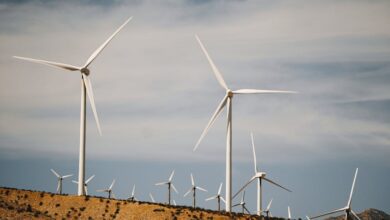
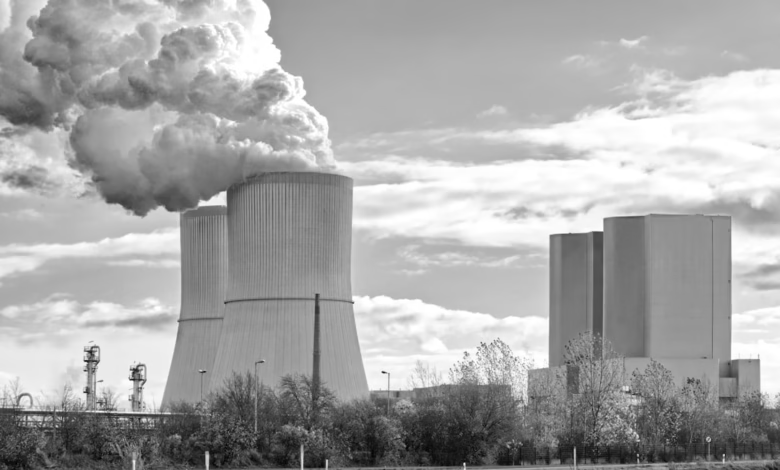
As the global community accelerates its pursuit of cleaner, more sustainable energy sources, nuclear fission is commanding renewed attention within the broader energy transition away from fossil fuels. Historically associated with reliable baseload power, nuclear fission provides a high-capacity alternative to coal and natural gas, generating vast amounts of thermal energy with near-zero carbon emissions during operation. This attribute positions nuclear energy as a valuable complement to renewable energy sources such as solar power, wind energy, hydropower, and bioenergy—especially since these green energy options are often variable and depend on weather or seasonal conditions.
Integrating nuclear fission into evolving energy markets supports the move toward greater energy efficiency and security, enabling countries to reduce their reliance on energy imports and buffer against global energy price volatility. Modern nuclear reactors, including small modular reactors (SMRs), are demonstrating increased energy innovations that enhance safety while offering flexibility on decentralized grids and distributed energy systems. These advances also align with smarter energy policy‑making and the development of smart grids, facilitating a smoother integration of diverse generation sources.
When considering energy economics, nuclear fission’s high upfront investment is offset by its long-term operational efficiency and low direct greenhouse gas emissions. Additionally, advances in energy storage and carbon capture technologies are making it feasible to pair nuclear with other renewables, stabilizing electricity supply and accelerating decarbonization efforts within power generation. These synergies are especially crucial as more electric vehicles and hydrogen energy solutions enter the mainstream, increasing demand for reliable, low-carbon electricity.
Despite these advantages, the expansion of nuclear energy depends heavily on public perception, clear regulatory pathways, and robust investment in energy R&D. As nations design future-ready energy policies to address climate change, diversify their offshore energy assets, and manage energy exports, nuclear fission will remain a cornerstone in balancing sustainability, reliability, and innovation in the ongoing global energy transition.
2. Emerging Nuclear Fusion and Green Energy Innovations: The Future Beyond Renewable Energy
The landscape of energy is rapidly evolving as the world grapples with climate change, energy security, and the need to transition from fossil fuels to sustainable sources. While traditional renewable energy options like solar power, wind energy, hydropower, and bioenergy have become mainstays in global energy markets, emerging nuclear fusion technologies are poised to redefine the boundaries of green energy and offer solutions beyond current renewables.
Nuclear fusion, unlike conventional nuclear fission, has the potential to deliver immense thermal energy without long-lived radioactive waste or the risks associated with nuclear proliferation. Recent advances in energy R&D have led to groundbreaking milestones, with projects such as ITER and innovative private ventures demonstrating small-scale, sustained fusion reactions (ITER Organization, 2023, https://www.iter.org/newsline/-/3736). If commercialized, fusion could provide virtually limitless, clean energy capable of supporting distributed energy grids, smart grids, and the electrification of energy transportation.
One key benefit of fusion is its compatibility with energy efficiency and energy storage innovations. As renewables like wind and solar power are inherently intermittent, large-scale energy storage systems or supplemental power sources are essential for grid stability. Fusion reactors could serve as reliable baseload sources, working alongside renewable energy to ensure consistent energy delivery, reducing reliance on fossil fuels and supporting the integration of electric vehicles and offshore energy solutions.
The promise of fusion extends to energy economics and global energy trends. With minimal fuel input (deuterium and tritium) and negligible carbon output, fusion could reduce energy imports for many countries, bolster energy exports for technology leaders, and stimulate significant energy investment. Furthermore, fusion’s high energy density makes it adaptable for industrial applications, hydrogen energy production, and advanced carbon capture processes, strengthening the overall energy transition.
Policymakers are increasingly considering fusion within broader energy policy frameworks, promoting international cooperation, public-private partnerships, and long-term funding for energy innovations. While commercial fusion remains a medium- to long-term goal, its integration with renewables, advanced storage, and smart grids is set to play a crucial role in accelerating the green energy transition, addressing the intermittency of renewables, and enhancing global energy security.
References
ITER Organization. (2023). Fusion energy: Progress and milestones. https://www.iter.org/newsline/-/3736
3. Integrating Nuclear Energy into Global Energy Markets: Policy, Storage, and Security Considerations
Nuclear energy is gaining renewed attention in global energy markets as nations seek cleaner alternatives to fossil fuels and aim to meet rising electricity demand without increasing carbon emissions. Integrating nuclear energy effectively requires comprehensive energy policy frameworks that recognize the technology’s value alongside other renewable energy sources such as solar power, wind energy, hydropower, and bioenergy. Policymakers must address regulatory harmonization, safety standards, and long-term waste management while encouraging energy R&D and investment in both traditional nuclear fission and emerging fusion technologies.
One critical consideration is energy storage. Unlike wind and solar power, which are variable, nuclear facilities provide consistent thermal energy output; however, as distributed energy and smart grids rise in prominence, grid integration and flexible operation become increasingly important. Innovations in energy storage, such as advanced batteries and hydrogen energy solutions, can help balance supply and demand, enabling more effective load management and supporting the larger energy transition away from fossil fuels.
Energy security remains both a benefit and a challenge. Nuclear energy has the potential to enhance energy independence by reducing reliance on energy imports and supporting energy exports for countries with advanced nuclear capabilities. However, the need for secure handling and transportation of nuclear materials raises concerns about proliferation and terrorism, making comprehensive security protocols essential. International cooperation on energy policy, carbon capture initiatives, and secure supply chains strengthens resilience against emerging threats and supports global energy trends toward clean, reliable power generation.
Finally, successful integration of nuclear energy hinges on continued energy investment and innovation, public acceptance, and equitable market access. By supporting nuclear alongside other green energy and energy efficiency measures, countries can foster diversified, resilient energy markets that address both climate change and economic goals.
Conclusion
Nuclear energy stands at a pivotal crossroads in the ongoing global energy transition, complementing renewable energy sources such as solar power, wind energy, hydropower, and bioenergy. While nuclear fission has already proven itself as a relatively low-carbon alternative to fossil fuels, continued advances in reactor design, energy efficiency, and energy storage are driving new potential for this technology amid growing climate change concerns. Meanwhile, nuclear fusion, though still in the experimental stage, holds the promise of unlocking a virtually limitless supply of green energy in the coming decades—potentially reshaping global energy trends and the economics of energy markets.
As nations seek to decarbonize their grids, integrating nuclear energy alongside distributed energy systems, smart grids, and energy innovations can enhance energy security and support stable energy transportation and exports. Crucial factors such as supportive energy policy, robust energy R&D, safe waste management, and strategic energy investment must be prioritized to address safety, storage, and proliferation concerns. Looking forward, the successful blending of nuclear fission, emerging fusion technology, and renewable resources will be essential to build a reliable, efficient, and climate-friendly future. By leveraging the full spectrum of available green energy—including nuclear, carbon capture, and hydrogen energy—countries can achieve a sustainable balance in their energy imports and exports, and tackle the dual challenge of climate change and economic growth in the evolving energy market.