Global Gold Jewelry Demand 2024: Market Trends, Investment Drivers, and Emerging Dynamics in the Gold Industry

The global gold market is undergoing a transformation as demand patterns for gold jewelry shift in response to economic, technological, and sustainability trends. As the world navigates periods of economic uncertainty and rising inflation, gold’s status as a “safe haven asset” and its role in gold investment portfolios, such as gold ETFs, gold futures, and physical gold, remain strong. Yet, the allure of luxury gold jewelry and collectibles is being influenced by fluctuating gold prices, changing consumer preferences, and increasing awareness around sustainable gold mining and gold recycling.
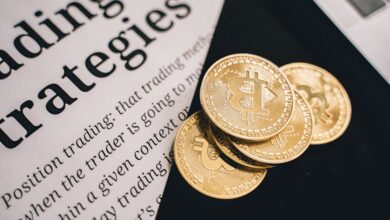
This market update explores the latest developments in global gold jewelry demand, examining how trends in gold production and gold refining are shaping both the retail and investment sides of the sector. We’ll delve into key drivers behind evolving preferences, from advances in jewelry technology to the growing importance of transparent supply chains. Additionally, the article provides a comprehensive gold market analysis, covering investment products, the role of central banks gold reserves, and shifting practices, such as gold smuggling and gold and cryptocurrency interplay. Whether you are an investor monitoring gold market trends or an enthusiast intrigued by gold collectibles and gold coins investing, understanding these shifts in global gold demand is crucial for navigating the evolving landscape of gold trade and investment.
- 1. Gold Jewelry Demand and Its Influence on Global Gold Market Trends
- 2. Key Drivers Behind Shifting Preferences: Gold Prices, Technology, and Sustainable Gold Mining
- 3. Market Analysis: From Gold Investment Products to Gold Recycling and the Role of Central Banks
1. Gold Jewelry Demand and Its Influence on Global Gold Market Trends
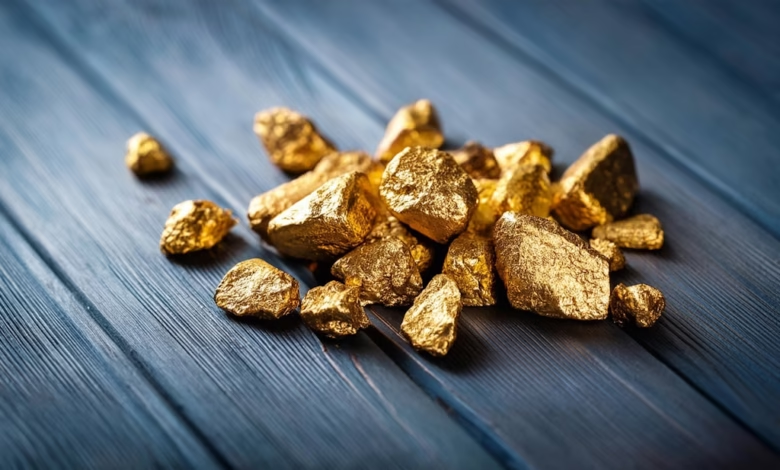
Gold jewelry demand remains a major driver shaping global gold market trends, directly influencing gold prices and wider investment behaviors. In 2023 and early 2024, consumer appetite for gold jewelry surged in countries like India and China, which together represent the largest share of global gold demand (World Gold Council, 2024, https://www.gold.org/goldhub/data/gold-demand-trends). This steady demand for physical gold in the jewelry sector creates a solid foundation for gold mining and refining activities, thus affecting gold production volumes worldwide.
A pronounced interest in luxury gold items and collectibles has also contributed to the strength of the jewelry market, particularly among emerging middle-class consumers. When gold prices fluctuate, jewelry demand will often counterbalance or reinforce these trends. For example, rising gold prices in response to macroeconomic uncertainty and inflation can initially dampen purchases but eventually cement gold’s appeal as a safe haven asset, attracting investment in both jewelry and gold ETFs or gold futures.
Gold jewelry’s influence extends beyond direct consumption. In markets where economic challenges trigger currency volatility, individuals often purchase gold jewelry as a form of wealth preservation. This behavior supports physical gold demand even when other investment channels—such as gold coins, gold bars, or digital assets like gold and cryptocurrency—see variable inflows.
Furthermore, the trade and recycling of gold jewelry impact flows of recycled gold back into the market, reducing the need for new gold mining when gold prices are high. Efficient gold recycling and sustainable gold mining practices are now being prioritized in the industry, reflecting consumer and regulatory pressure to lower environmental impacts.
Central banks also monitor gold jewelry demand when adjusting gold reserves, as robust consumer markets can lead to tighter physical supply and, consequently, impact gold market analysis and predictions. The interplay between jewelry consumption, gold investment products, and gold production highlights how deeply interconnected the various segments of the gold market are.
In summary, gold jewelry plays a pivotal role not only as a luxury and cultural product, but as a key influencer in gold market trends, shaping everything from physical gold sourcing and refining to investment instruments like gold ETFs and futures, and ultimately reinforcing gold’s longstanding status as a global store of value.
2. Key Drivers Behind Shifting Preferences: Gold Prices, Technology, and Sustainable Gold Mining
Fluctuations in the gold market and changing consumer attitudes are deeply influencing global jewelry preferences. One major driver is the volatility of gold prices, which has reshaped both consumer demand and industry practices. When gold prices surge, jewelers often turn to creative solutions such as lowering caratage or blending gold with other metals to maintain affordability. High prices can also affect global gold demand, driving many consumers, especially in price-sensitive markets, to consider alternatives like gold-plated or recycled gold jewelry.
Technological innovation is another significant force shaping the direction of gold jewelry trends. Advancements in gold refining, 3D printing, and precision gold production technology enable designers to create intricate, lightweight pieces that appeal to younger, tech-savvy buyers. Furthermore, the growing influence of digital gold investment tools, such as gold ETFs and gold futures, has fostered crossover appeal between physical gold assets and jewelry, blurring the traditional lines between wearables and investments. Innovations like blockchain-based gold trade verification are also addressing ongoing concerns about gold smuggling and provenance, bolstering consumer confidence in gold collectibles and luxury gold products.
Environmental and ethical concerns have rapidly shifted attention to sustainable gold mining and gold recycling practices. Consumers are increasingly scrutinizing the gold supply chain, seeking reassurance that their gold jewelry is sourced responsibly. This has spurred brands and gold mining companies to adopt more transparent mining methods and emphasize conflict-free gold production. Central banks’ gold reserves and involvement in sustainable practices further legitimize these efforts. In turn, this trend has supported the growth of circular economies, increased gold recycling initiatives, and the rise of eco-friendly gold jewelry, making sustainability a crucial element of modern gold market analysis.
These evolving drivers—fluctuating gold prices, technological advancements, and a collective shift toward sustainability—are shaping not only what consumers purchase, but also how and why they choose specific gold jewelry pieces, contributing to broader gold market trends worldwide.
3. Market Analysis: From Gold Investment Products to Gold Recycling and the Role of Central Banks
The gold market continues to evolve rapidly, shaped by shifting global dynamics, innovation, and changing consumer preferences. One of the most notable trends is the diversification of gold investment products. Investors now have a wide range of choices, from physical gold such as gold bars, gold bullion, and gold coins, to paper assets like gold ETFs and gold futures. This expansion has allowed more people to participate in the gold market, supporting both liquidity and overall global gold demand.
Gold jewelry remains a cornerstone of the market, especially in regions where it is deeply woven into cultural and social practices. However, market analysis shows that gold jewelry demand fluctuates in tandem with gold prices and broader economic conditions. More recently, the concept of luxury gold and gold collectibles has become significant drivers of premium market segments, targeting discerning buyers looking for unique investment opportunities.
Meanwhile, gold recycling and sustainable gold mining practices are becoming increasingly important as environmentally conscious consumers and regulators prioritize responsible sourcing. Gold recycling—through refining old jewelry, electronics, and industrial components—now accounts for a significant portion of yearly gold supply. These practices not only help reduce reliance on gold mining but also support broader sustainability goals and combat the negative impacts of gold smuggling and illicit gold trade.
Central banks play an essential role in shaping gold market trends. In recent years, central banks gold reserves have grown steadily, as many governments seek to strengthen their positions with a traditional safe haven asset. This trend is influenced by factors such as global economic uncertainty, inflation concerns, and ongoing debates about the gold standard. Central banks’ gold buying activity often sets the tone for investor sentiment worldwide and can exert considerable influence on gold prices.
Simultaneously, gold and technology are becoming more interconnected. Innovations in gold refining and new applications for gold in electronics and the tech sector have added another layer of complexity to global gold demand and gold production patterns. As the gold market intersects with technology, and even nascent areas like gold and cryptocurrency integration, analysts are watching how these changes will impact long-term gold market analysis.
In summary, the gold sector today reflects a mix of traditional drivers—like jewelry and central banks—alongside emerging trends in gold investment products, sustainability, technology, and alternative assets. Monitoring these shifts is essential for investors seeking to navigate the evolving landscape of gold as both an economic commodity and a lasting store of value.
In summary, the latest market analysis reveals that gold jewelry demand continues to play a pivotal role in shaping global gold market trends. The interplay between fluctuating gold prices, innovations in gold technology, and the growing importance of sustainable gold mining practices is transforming buyer preferences across regions. Additionally, gold investment options—from physical gold like gold coins, gold bars, and bullion, to financial instruments such as gold ETFs and gold futures—remain influenced by changing economic conditions, the role of central banks' gold reserves, and gold’s appeal as a safe haven asset amid inflationary pressures.
The rise of gold recycling and responsible gold refining processes further illustrate the industry’s evolution, while issues like gold smuggling and the impact of cryptocurrency on gold trade add layers of complexity. Central banks, investors, and consumers alike are increasingly weighing factors from luxury gold trends and gold collectibles to the enduring legacy of the gold standard and modern shifts like gold coins investing.
Moving forward, closely monitoring global gold demand, advances in gold production, and sustained vigilance around gold smuggling and regulation will be essential. For stakeholders across the gold supply chain, adapting strategies that blend traditional values with innovation and responsibility will be key to thriving in a market defined by rapid change and heightened awareness.
References
World Gold Council. (2024). Gold Demand Trends Q1 2024. https://www.gold.org/goldhub/research/gold-demand-trends/gold-demand-trends-q1-2024
International Monetary Fund. (2023). Central Banks and Gold Reserves Database. https://www.imf.org/en/Data
Reuters. (2024). Gold Market Analysis: Geopolitical Tensions and Demand in 2024. https://www.reuters.com/business/finance/gold-market-analysis-2024-05-03/
Mining Technology. (2023). Sustainable Gold Mining: The New Standard. https://www.mining-technology.com/features/sustainable-gold-mining/
Bloomberg. (2024). Gold ETFs, Futures, and Physical Gold Trends. https://www.bloomberg.com/markets/gold