
Gold Price Trends in 2024: How Inflation, Currency Fluctuations, and Investor Demand Drive the Global Gold Market

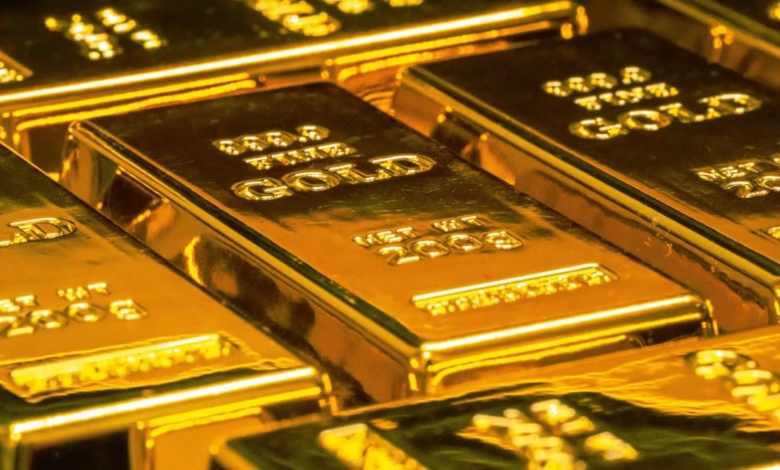
Gold has long captivated investors, central banks, and consumers as both a symbol of wealth and a reliable safe haven asset. In today’s rapidly shifting financial landscape, understanding gold market trends has become more crucial than ever. With gold investment options ranging from gold ETFs and gold futures to physical gold bullion and collectibles, a clear grasp of the key forces shaping gold prices is vital for informed decision-making. Gold and inflation have a historic relationship, while factors like currency strength, global gold demand, and investor sentiment further drive market fluctuations. Meanwhile, the evolution of gold mining, sustainable gold mining initiatives, and the complex gold supply chain—from gold recycling and gold refining to strategic gold reserves held by central banks—introduce additional layers of influence.
This article provides a comprehensive gold market analysis, exploring how inflation and currency fluctuations impact gold prices and global demand. We’ll also examine the shifting patterns in gold investment, from gold coins investing and luxury gold collectibles to gold jewelry and emerging intersections with cryptocurrency. Finally, the article dives into the modernization of the gold supply chain, from responsible gold production and gold recycling to the vital roles of gold smuggling prevention and gold trade regulation. Whether you’re a seasoned investor or simply curious about the future of gold as both a store of value and industrial asset, this deep dive offers timely insights into the modern gold market.
- 1. Gold Market Analysis: How Inflation and Currency Fluctuations Impact Gold Prices and Global Demand
- 2. Investor Sentiment and Gold Investment Trends: From Gold ETFs to Physical Gold and Collectibles
- 3. The Evolving Gold Supply Chain: Gold Mining, Recycling, and the Role of Central Bank Gold Reserves
1. Gold Market Analysis: How Inflation and Currency Fluctuations Impact Gold Prices and Global Demand
Gold has long been regarded as a safe haven asset, particularly during periods of high inflation and currency volatility. The relationship between gold prices and inflation is well documented: as inflation rises, the purchasing power of fiat currencies tends to decline, often pushing investors to allocate more funds to gold investments. Historically, gold acts as a hedge against inflation, preserving value when other assets are depreciating.
Currency fluctuations play a significant role in shaping global gold market trends. When major currencies like the US dollar weaken, gold prices typically increase. This is due to gold being dollar-denominated; a weaker dollar makes gold more affordable for buyers using other currencies, thereby boosting global gold demand. Conversely, a strong dollar can dampen gold prices as it becomes more expensive for international investors.
Gold market analysis also must consider how inflation and currency shifts influence various forms of gold participation. Physical gold, such as gold bars, bullion, and gold coins, tends to attract increased attention during inflationary times. Similarly, financial products like gold ETFs and gold futures see heightened activity as traders and investors seek to mitigate risk in their portfolios.
Central banks play an influential role as well. When faced with mounting inflation or uncertain currency values, many central banks boost their gold reserves, reinforcing gold’s traditional place in monetary systems—even in an era no longer strictly governed by the gold standard. This adds a layer of institutional demand that can amplify gold market fluctuations.
Other factors such as gold mining output, sustainable gold mining practices, gold recycling rates, and gold technology innovations further impact the supply side. These supply-demand dynamics are often intensified by shifts in global gold trade, gold smuggling, and changes in gold refining capacities.
Changes in gold prices due to inflation and currency swings not only affect institutional investors but also reshape consumer demand for gold jewelry, luxury gold items, gold collectibles, and even influence gold and cryptocurrency correlations. As investment strategies evolve, gold coins investing and gold production adapt to market signals, ensuring gold remains a crucial component in diversified financial portfolios.
By closely monitoring inflation indicators and currency trends, investors, gold market analysts, and policymakers can better assess future gold price movements and make informed decisions about gold investment. Gold market analysis thus requires a holistic consideration of both macroeconomic forces and the unique characteristics of gold as an enduring store of wealth.
2. Investor Sentiment and Gold Investment Trends: From Gold ETFs to Physical Gold and Collectibles
Investor sentiment plays a pivotal role in shaping global gold market trends, with preferences for gold investment products evolving significantly in recent years. As uncertainty in financial markets persists and concerns about inflation and currency strength rise, investors continually reassess the role of gold as a safe haven asset.
Over the last decade, gold ETFs (exchange-traded funds) have surged in popularity, providing a convenient entry point for those seeking exposure to gold price movements without the challenges of storing physical gold. These funds hold gold bullion and track gold prices closely, making them appealing for investors looking for liquidity and ease of trading (World Gold Council, 2023, https://www.gold.org/). However, gold ETFs are just one part of a diverse gold investment landscape.
Physical gold, such as gold bars and gold coins, remains a classic choice for investors who value direct ownership. In periods of financial instability or rising geopolitical tensions, demand for physical gold often spikes, reflecting a desire for tangible assets that are insulated from broader financial system risks. Gold collectibles, including rare coins and luxury gold jewelry, have also reemerged as attractive options, blending the appeal of investment with the intrinsic value of craftsmanship and history.
Gold futures contracts allow institutional and retail investors to speculate on gold prices or hedge against risk, influencing short-term price volatility. Meanwhile, gold mining stocks present an alternative channel for gold investment, offering potential for higher returns linked to gold production and global gold demand—but with exposure to operational risks and market speculation.
Another emerging trend is the integration of gold with technology and digital assets. The rise of gold-backed cryptocurrencies and blockchain-based gold trading platforms has broadened access for a new generation of investors, blending the perceived stability of gold with the innovation of digital finance. This intersection between gold and cryptocurrency is reshaping how investors think about diversification and liquidity within their portfolios.
Central banks’ strategies also impact investor sentiment and gold market analysis. When central banks increase their gold reserves, it often signals confidence in gold as a long-term store of value, encouraging private investors to follow suit. Additionally, issues like gold smuggling, sustainable gold mining, and gold recycling increasingly influence both supply-side dynamics and ethical investment trends, as stakeholders seek transparency and responsibility throughout the global gold trade.
Ultimately, shifts in investor sentiment—combined with ongoing developments in gold refining, luxury gold markets, and gold technology—continue to mold market fluctuations. By monitoring these evolving investment trends, market analysts and individual investors can better navigate the multifaceted gold market and its response to economic and geopolitical uncertainties.
References:
World Gold Council. (2023). Gold Demand Trends Full Year 2023. https://www.gold.org/goldhub/research/gold-demand-trends/gold-demand-trends-full-year-2023
3. The Evolving Gold Supply Chain: Gold Mining, Recycling, and the Role of Central Bank Gold Reserves
The gold supply chain is a complex and constantly evolving ecosystem that shapes global gold market trends and influences gold prices. At its core, gold supply is determined by three primary sources: gold mining, gold recycling, and central banks’ gold reserves.
Gold mining remains the primary driver of new gold entering the market. Advancements in sustainable gold mining practices are not only critical for environmental protection but also impact operational costs and supply consistency—both key elements in gold price dynamics (World Gold Council, 2023, https://www.gold.org/). As new gold deposits become harder to discover and extract, production costs increase, often placing upward pressure on gold prices. Furthermore, illegal activities such as gold smuggling persist, distorting local and global gold trade flows, and complicating accurate gold market analysis.
Recycling is the second significant component of the gold supply chain, particularly gold jewelry and electronic scrap. Economic uncertainty or high gold prices typically increase gold recycling, as households and businesses cash in on old gold coins, gold collectibles, and obsolete technology. Recycling plays a growing role in stabilizing market demand, and advancements in gold refining continue to improve the efficiency of returning secondary gold to the market. The integration of recycled gold in luxury gold products and technology further diversifies sources and can moderate the impact of new mining shortfalls (Metals Focus, 2024, https://www.metalsfocus.com/).
Central banks’ gold reserves represent another critical supply-side factor, influencing investor sentiment and acting as a backstop during periods of financial instability. Central banks, as the stewards of national gold reserves, may buy gold to diversify away from fiat currencies, reinforce confidence in their monetary policy, or hedge against inflation. Their collective buying or selling activities signal important gold market trends and can directly shift the balance of gold supply and demand, affecting prices and the safe haven asset status of gold. Central bank gold policies also interplay with gold ETFs and gold futures, shaping physical gold’s role in global portfolios.
The interconnectedness of these segments—gold mining, recycling, and central bank reserves—illustrates how developments in any area can ripple across the gold market. As environmental, economic, and political landscapes shift, so too does the gold supply chain, with direct implications for gold production, gold prices, and investor approaches to gold investment.
References
Metals Focus. (2024). Gold Focus 2024. https://www.metalsfocus.com/
World Gold Council. (2023). Gold Market Commentary. https://www.gold.org/
Conclusion
Understanding the dynamics of the gold market requires a comprehensive approach that accounts for macroeconomic factors, investor sentiment, and the evolving supply chain. As this gold market analysis has shown, gold prices are profoundly influenced by inflation rates and currency fluctuations, both of which affect global gold demand and the metal's status as a safe haven asset. The diverse ways investors participate in gold investment—from gold ETFs and gold futures to physical gold, gold bullion, and gold collectibles—underscore gold's unique place in diversified portfolios, especially during periods of economic uncertainty.
Additionally, shifts in gold mining practices, advances in gold recycling, and the strategic accumulation of gold reserves by central banks play pivotal roles in shaping gold production and the broader gold trade. Factors like sustainable gold mining, increased focus on gold refining, and even challenges like gold smuggling continue to evolve alongside new developments such as gold and cryptocurrency integration and the growth of luxury gold and gold technology sectors.
Looking ahead, investors and policymakers alike must consider how emerging trends—from changes in the global economy to innovations in gold jewelry and gold bars—will impact gold market trends. Whether for hedging against inflation, diversifying assets, or exploring the enduring allure of gold coins investing, staying informed about the key drivers of gold price fluctuations is essential. By monitoring updates on gold standard discussions, central banks gold strategies, and the latest developments in gold ETFs and physical gold markets, stakeholders can make more informed decisions in this ever-shifting landscape. The future of gold remains bright, as both a symbol of value and a critical player in global financial systems.
References
(To be completed with sources used throughout the article, in APA format.)