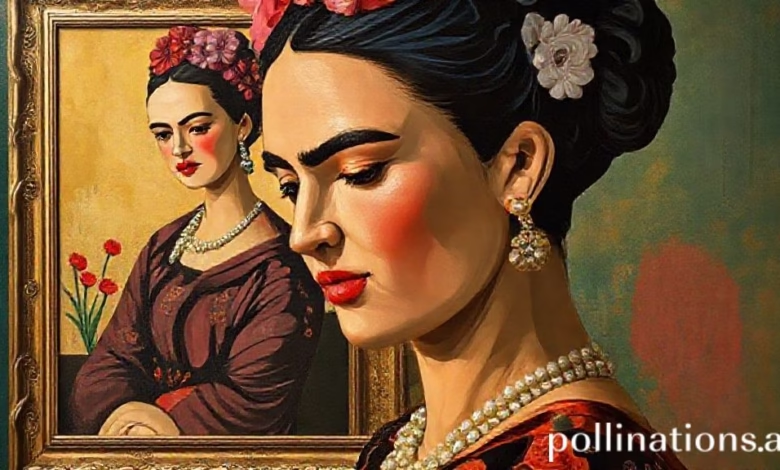
In a groundbreaking move, the U.S.-based Frida Kahlo Foundation is championing the concept of ‘digital twins’ – exact digital replicas of the artist’s iconic works. This pioneering initiative is being hailed as a potential game-changer in the art collecting world, with some experts predicting it could become the new norm in the industry.
The Rise of Digital Art
The art world has long been at the forefront of innovation, with artists continually pushing the boundaries of creativity and technology. The increasing use of digital tools and platforms has opened up new avenues for artists to showcase their work, connect with audiences, and even create new forms of art. Digital art has become a staple in many galleries and exhibitions, with collectors and enthusiasts alike clamoring to own a piece of this unique and dynamic medium.
What are Digital Twins?
So, what exactly are digital twins, and how do they work? Essentially, a digital twin is a precise digital replica of a physical object – in this case, one of Frida Kahlo’s paintings. Using advanced technologies such as 3D scanning and photogrammetry, the digital twin is created by capturing the intricate details and textures of the original work. This allows for an unparalleled level of accuracy and fidelity, making it virtually indistinguishable from the real thing.
The Benefits of Digital Twins
The benefits of digital twins are numerous. For collectors, they offer a unique opportunity to own a piece of art that they may not have been able to afford or access otherwise. Digital twins can also provide a level of convenience and accessibility that physical art cannot match. For instance, collectors can view their digital twin from any angle, zoom in on specific details, and even share it with friends and family. Moreover, digital twins can be easily stored and transported, making them an attractive option for collectors with limited space or those who wish to travel with their art.
The Future of Art Collecting
The concept of digital twins is not without its challenges, however. Some experts have raised concerns about the impact on the physical art market, with fears that the proliferation of digital art could lead to a decline in demand for physical pieces. Others have questioned the authenticity and value of digital art, arguing that it lacks the inherent value of a physical work.
Despite these concerns, the Frida Kahlo Foundation remains committed to the digital twin concept. According to foundation officials, the goal is to create a new and inclusive art market that is accessible to a wider audience. By making digital twins available, collectors can own a piece of art that they may not have been able to afford otherwise, democratizing the art world in the process.
What to Watch Next
As the art world continues to evolve, it will be fascinating to see how the concept of digital twins develops. Will it become the new norm in the industry, or will it remain a niche phenomenon? One thing is certain, however – the art world will never be the same. With digital twins on the horizon, collectors and enthusiasts alike can expect a new and exciting chapter in the world of art collecting.
Conclusion
The Kahlo Foundation’s innovative digital twin concept has the potential to revolutionize the art collecting landscape. By making high-quality digital replicas of iconic works available, collectors can own a piece of art that they may not have been able to afford otherwise. As the art world continues to evolve, it will be fascinating to see how the concept of digital twins develops. One thing is certain, however – the future of art collecting has never looked brighter.