
NFL Contract Lifespan: Odell Beckham Jr. Raises Questions About the Sustainability of Professional Athletes’ Earnings

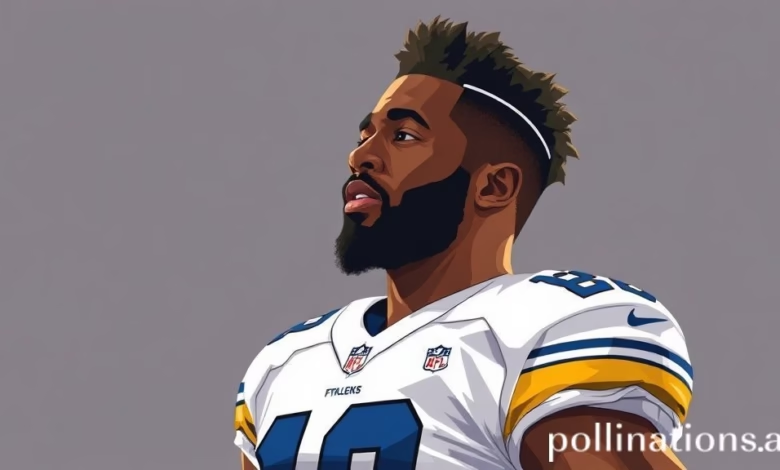
Odell Beckham Jr., a former NFL wide receiver with a storied career and a penchant for high-profile endorsement deals, has sparked a heated debate surrounding the financial realities of professional athletes. In a recent conversation, Beckham Jr. made a striking assertion: a $100 million NFL contract may not be enough to last a lifetime.
The statement has resonated with fans and financial experts alike, who are beginning to grasp the nuances of an athlete’s financial landscape. While a $100 million contract may seem like a windfall, it can swiftly dwindle when accounting for key expenses, including taxes, agent fees, and other financial obligations.
One of the primary concerns is taxes. Top-tier athletes often find themselves in the highest tax brackets, with a significant portion of their earnings going towards federal, state, and local taxes. This can leave a substantial dent in their overall wealth, particularly if they’re not adequately prepared. According to tax experts, a single athlete could lose up to 50% of their income to taxes alone.
Another significant expense for professional athletes is agent fees. These fees can range from 3% to 5% of the athlete’s earnings, often leaving them with a substantial chunk of change going towards commission and other expenses. Furthermore, athletes may also have to factor in the costs of maintaining their high-profile lifestyles, including private jets, luxury cars, and extensive travel.
But these expenses pale in comparison to the costs associated with injuries and long-term health consequences. A career-ending injury can have devastating financial implications for an athlete, leaving them without a steady income and potentially crippling their ability to earn a living. In some cases, athletes may be forced to rely on disability payments or other forms of compensation, which can be a far cry from their pre-injury earnings.
Despite the financial realities, professional athletes continue to be drawn to the allure of a lucrative NFL contract. A recent report by Forbes estimated that the average NFL player earns around $860,000 per year. However, this figure is skewed by the presence of top-tier athletes, who can earn significantly more. In reality, the majority of NFL players earn a fraction of this amount, making it challenging to sustain themselves financially beyond their playing careers.
As Beckham Jr.’s comments continue to resonate, it’s clear that there’s a growing need for greater financial literacy among professional athletes. By understanding the intricacies of their financial landscape, athletes can better navigate the complexities of their earnings and make informed decisions about their financial futures.
What to Watch Next:
As the NFL continues to evolve, it will be fascinating to see how the landscape of professional athletes’ finances changes. With the growing awareness of financial sustainability, we can expect to see a shift towards more responsible spending and planning. However, it remains to be seen whether this shift will be driven by individual athletes or the leagues themselves.
Conclusion:
The financial realities of professional athletes are far more complex than the initial allure of a $100 million contract. As Beckham Jr.’s comments so eloquently illustrate, the sustainability of an athlete’s earnings is a pressing concern that requires attention and understanding. By examining the intricate web of expenses and financial obligations, we can gain a deeper appreciation for the challenges faced by professional athletes and the importance of financial literacy in their careers.