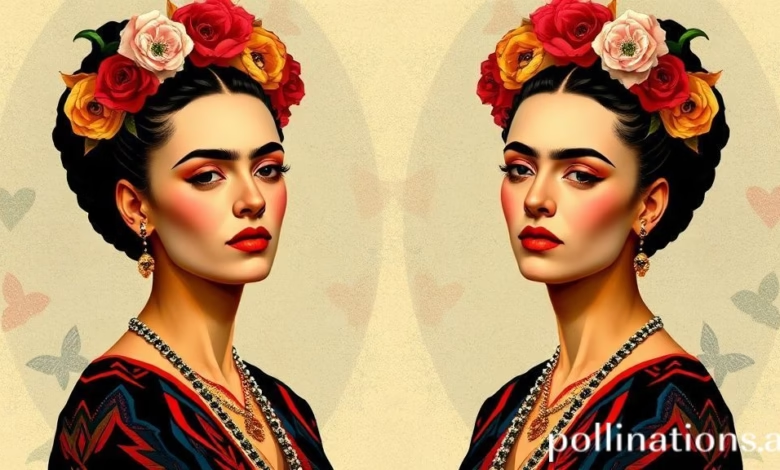
The art world has been abuzz with the concept of digital twins, virtual replicas of valuable items created to track ownership, authenticity, and provenance. Recently, the Kahlo Foundation, based in the United States, has taken this idea to the next level by promoting the creation of digital twins for Frida Kahlo’s iconic paintings. This innovative approach has sparked interest among art collectors and enthusiasts, who see it as a potential game-changer in the art collecting landscape.
Unlocking the Potential of Digital Twins
Digital twins are not new to the art world, but the Kahlo Foundation’s initiative marks a significant step forward. By creating virtual replicas of Kahlo’s paintings, the foundation aims to provide a secure and transparent way to verify ownership, track provenance, and authenticate artworks. This technology has the potential to revolutionize the art collecting industry, making it easier for buyers and sellers to verify the legitimacy of valuable art pieces.
Beyond Authentication: Enhancing the Collecting Experience
The digital twin concept goes beyond mere authentication. It empowers collectors to experience and engage with art in new and immersive ways. For instance, virtual reality (VR) technology can allow collectors to step into a virtual environment and explore Kahlo’s paintings up close, gaining a deeper understanding of the artist’s creative process and the historical context in which the artworks were created. This level of engagement can foster a more meaningful connection between the collector and the artwork.
Reducing Counterfeiting and Illicit Trade
The digital twin concept also has the potential to combat counterfeiting and illicit trade in the art market. By creating a secure, tamper-proof record of an artwork’s ownership and provenance, digital twins can help prevent forgeries and ensure that valuable art pieces are traded fairly and transparently. This can have a significant impact on the art market, particularly in the case of high-value artworks where authenticity is a major concern.
Embracing a New Era of Art Collecting
As the art world continues to evolve, the concept of digital twins is poised to play a significant role in shaping the future of art collecting. The Kahlo Foundation’s initiative is a testament to the potential of this technology, and it is likely to inspire similar initiatives in the art world. As collectors and dealers begin to explore the possibilities of digital twins, it will be exciting to see how this technology transforms the art collecting experience.
What to Watch Next
As the art world continues to grapple with the implications of digital twins, there are several key developments to watch. The use of blockchain technology to create secure, decentralized records of artwork ownership and provenance is one area to monitor closely. Additionally, the development of more sophisticated VR and augmented reality (AR) experiences that allow collectors to engage with art in new and immersive ways will be worth tracking. Furthermore, the impact of digital twins on the art market, including the potential for increased transparency and reduced counterfeiting, will be an important area of focus in the coming years.
Conclusion
The concept of digital twins has the potential to revolutionize the art collecting industry, and the Kahlo Foundation’s initiative is a significant step forward. By creating secure, tamper-proof records of artwork ownership and provenance, digital twins can empower collectors to engage with art in new and immersive ways, reduce counterfeiting and illicit trade, and create a more transparent and fair art market. As the art world continues to evolve, it will be exciting to see how digital twins shape the future of art collecting.