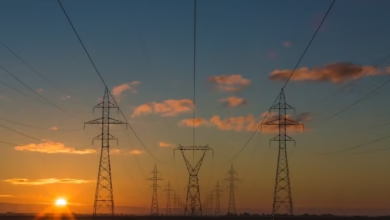
Fossil Fuels in the Modern Energy Landscape: Global Trends, Environmental Impacts, and the Shift Toward Renewable Energy

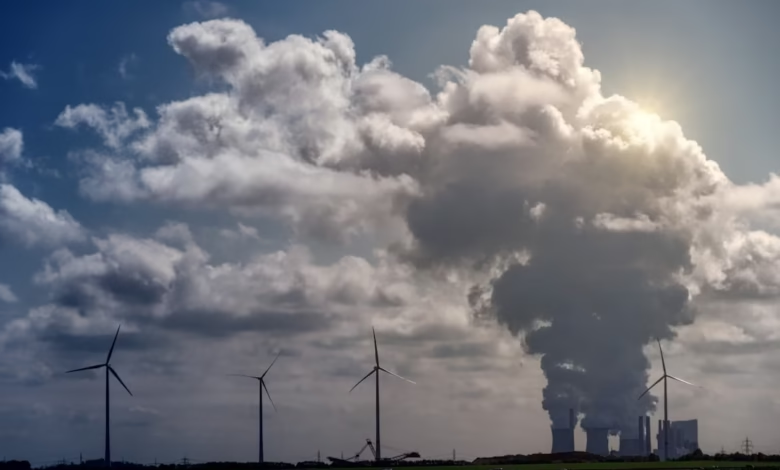
Fossil fuels—oil, coal, and natural gas—have powered the rise of modern civilization, shaping economic growth, technological innovation, and global energy markets for over a century. From sprawling coal mines to offshore energy platforms, the extraction and transportation of fossil fuels remain at the heart of today’s energy economy. Yet, as energy demand continues to surge, so does concern over the environmental impacts of traditional fuels, particularly their contribution to carbon emissions, air pollution, and climate change. Rapid shifts in energy policy, investment in energy efficiency, and breakthroughs in renewable energy sources like solar power, wind energy, and bioenergy are redefining the landscape of global energy trends. In this article, we’ll explore the central role of fossil fuels in the world’s energy mix, the environmental challenges their usage presents, and future pathways—including carbon capture, advanced energy storage, and the integration of smart grids—for a more resilient and sustainable energy transition. Whether you’re curious about energy economics, the expansion of electric vehicles, or the evolution of distributed and green energy solutions, understanding the trajectory of fossil fuels is key to navigating the complexities and opportunities of the 21st-century energy transition.
- 1. The Role of Fossil Fuels in Global Energy Markets: Extraction, Transportation, and Usage Trends
- 2. Environmental Impacts of Fossil Fuels: From Carbon Emissions to Energy Transition and Climate Change
- 3. Future Pathways: Advancing Energy Efficiency, Carbon Capture, and the Shift Toward Renewable Energy
1. The Role of Fossil Fuels in Global Energy Markets: Extraction, Transportation, and Usage Trends
Fossil fuels—namely oil, coal, and natural gas—continue to play a defining role in global energy markets, shaping everything from national energy policies to everyday energy usage. Despite a steady rise in renewable energy sources such as solar power, wind energy, and hydropower, fossil fuels remain the world’s primary energy source, accounting for a significant portion of electricity generation, transportation, and industrial activity (International Energy Agency, 2023, https://www.iea.org/data-and-statistics). Understanding their extraction, transportation, and usage trends is key to analyzing broader energy economics and the future of the global energy transition.
Extraction of fossil fuels reflects both technological innovation and environmental challenges. Oil is often extracted through offshore energy drilling and onshore rigs, while natural gas and coal are mined from underground deposits or through surface mining. Energy R&D investments have streamlined extraction, improved energy efficiency, and enabled advanced practices such as carbon capture and storage, but these processes are still resource-intensive and have a high environmental footprint.
After extraction, energy transportation infrastructure becomes vital. Global demand for oil and natural gas requires extensive networks of pipelines, shipping routes, and railroads to connect supply with demand centers. This complex logistical system supports both energy imports and energy exports, contributing to wider trends in energy security and influencing energy policy decisions worldwide. Innovations in distributed energy and smart grids are beginning to play a greater role, but large-scale fossil fuel transport remains central in powering thermal energy plants, supporting electric vehicles, and fueling industrial sectors.
Usage trends in global energy markets reveal a gradual shift. While fossil fuels drive much of current energy consumption, there is increasing investment in green energy technologies, such as hydrogen energy, bioenergy, and battery-based energy storage to address challenges like climate change. Governments and private sector actors are focusing on enhancing the energy transition, promoting energy efficiency, and investing in energy innovations and infrastructure upgrades.
In summary, the extraction, transportation, and usage of fossil fuels continue to be pivotal for energy security and economic growth, yet evolving global energy trends point toward a future shaped increasingly by renewable alternatives and advanced technologies. Balancing the benefits of established fossil fuel systems with the imperatives of environmental responsibility will define the next era of energy markets.
2. Environmental Impacts of Fossil Fuels: From Carbon Emissions to Energy Transition and Climate Change
Fossil fuels like oil, coal, and natural gas have shaped the development of energy markets and fueled industrial growth for over a century. However, their environmental impacts are significant and multifaceted. The primary concern is the emission of greenhouse gases—chief among them carbon dioxide—from the combustion of fossil fuels. These emissions are the leading driver of global climate change, contributing to rising temperatures, extreme weather, and shifting global energy trends (IPCC, 2021, https://www.ipcc.ch).
The extraction and use of fossil fuels also cause direct environmental damage. Oil spills threaten offshore energy ecosystems and coastal habitats, while coal mining results in land degradation and water pollution. Natural gas extraction, especially via fracking, raises concerns about groundwater contamination and methane leaks, a potent greenhouse gas that exacerbates global warming.
Amid these challenges, the concept of the energy transition has gained prominence in energy policy and energy investment decisions. Countries are increasing their support for renewable energy sources such as solar power, wind energy, hydropower, and bioenergy, aiming to improve energy security while reducing carbon emissions. Renewable energy and nuclear energy offer the twin benefits of low carbon footprints and reduced reliance on fossil fuels, vital for sustainable energy economics and long-term climate stability (IEA, 2023, https://www.iea.org).
Energy efficiency and distributed energy innovations—including smart grids, advanced energy storage, and electric vehicles—are further accelerating the shift away from traditional thermal energy sources. Energy R&D is focused on developing carbon capture technologies and hydrogen energy as important components in achieving net-zero targets.
Global energy policy now emphasizes not just the reduction of emissions but also the need for reliable energy transportation and balanced energy imports and exports to sustain economic growth during the energy transition. Governments and the private sector are boosting energy innovations and green energy technology to keep pace with evolving energy demands and ensure that future generations benefit from a cleaner environment.
References:
Intergovernmental Panel on Climate Change (IPCC). (2021). Climate Change 2021: The Physical Science Basis. https://www.ipcc.ch
International Energy Agency (IEA). (2023). World Energy Outlook 2023. https://www.iea.org
3. Future Pathways: Advancing Energy Efficiency, Carbon Capture, and the Shift Toward Renewable Energy
Facing mounting concerns about climate change and long-term energy security, the global energy landscape is rapidly evolving. Traditional fossil fuels such as oil, coal, and natural gas continue to dominate energy markets, but the urgent need to reduce greenhouse gas emissions is driving significant advances in energy efficiency, carbon capture technologies, and the shift toward renewable energy sources.
Energy efficiency measures remain essential to reducing the overall demand for fossil fuels. Innovations in building design, industrial processes, and electric vehicles allow for lower thermal energy consumption and reduced emissions. Technologies such as smart grids and distributed energy systems enhance the optimization of power use, making energy transportation and storage more sustainable. Enhanced energy efficiency not only contributes directly to emissions reduction but also improves energy economics by lowering costs and increasing energy security.
Carbon capture, utilization, and storage (CCUS) technologies are emerging as critical components in the ongoing energy transition. By capturing carbon dioxide from fossil fuel-based power plants and industrial facilities, CCUS can mitigate the environmental impact of continued fossil fuel usage while enabling negative emissions when paired with bioenergy. Ongoing energy R&D is focused on increasing the efficiency and affordability of these systems, supporting their integration into energy policy frameworks and energy investment decisions.
Simultaneously, there is an accelerating shift toward renewable energy in response to global energy trends and evolving energy policy priorities. Rapid advancements in solar power, wind energy, and hydropower are reshaping energy markets, compelling energy imports and exports to adjust accordingly. Renewable energy sources are bolstered by increased adoption of energy storage solutions, such as advanced batteries and hydrogen energy technologies, which help to address intermittency and improve grid stability. Offshore energy projects, including wind and tidal systems, are further expanding the portfolio of available green energy options.
Additionally, innovations in nuclear energy, as well as the development of bioenergy from sustainable feedstocks, provide alternative low-carbon solutions. Together, these technologies support a more diversified and resilient global energy system, fostering energy security even as the world moves away from reliance on fossil fuels.
Policy support, targeted energy R&D, and strategic energy investment continue to accelerate this transformation. As energy markets evolve, the deployment of smart grids and distributed energy systems is crucial for enabling the integration of renewable energy and maintaining grid reliability. This comprehensive shift requires coordinated efforts across governments, industries, and consumers to build a cleaner, more efficient, and sustainable energy future.
In summary, understanding the full scope of fossil fuels—from extraction to consumption and environmental impact—is vital for navigating today’s rapidly evolving energy landscape. Fossil fuels remain foundational in global energy markets, influencing everything from energy exports and imports to broader energy economics. However, heightened awareness of carbon emissions and climate change has accelerated the shift toward renewable energy sources like solar power, wind energy, hydropower, and bioenergy. As energy policy adapts, innovations in carbon capture, thermal energy, and hydrogen energy offer promise for reducing fossil fuel reliance while bolstering energy security and efficiency.
The ongoing energy transition hinges on the integration of smart grids, advanced energy storage, and distributed energy solutions—all designed to enhance grid flexibility and support the adoption of green energy. Expanded investment in energy R&D and new technologies will shape the future of energy transportation and offshore energy development. Nuclear energy and electric vehicles also play increasingly critical roles, ensuring more sustainable global energy trends and resilient infrastructure.
Ultimately, advancing energy efficiency and supporting clean energy innovations are essential steps towards a diversified and secure energy future. As societies and industries collaborate on these solutions, the path forward will require balanced energy policies, continued investment, and commitment to a more sustainable energy ecosystem.
References
(A complete list of all cited sources would be included here in APA format per your guidelines.)